


Grocery shopping feels easier when meals already have a plan. Walking into a store without direction often leads to wandering aisles, second-guessing choices, and leaving with items that do not work well together.
Busy schedules, endless options, and conflicting nutrition advice can make food decisions feel heavier than they need to. Meal-planning tips reduce decision fatigue by narrowing choices before the cart is filled. Structured meal plans make grocery shopping more focused and manageable while giving meals a clear place and purpose during the week.
Healthy grocery planning supports consistency without requiring perfection or complicated rules. Simplify your weekly food decisions with structured support and guidance from Elite Macros Meal Prep.
Decision Fatigue Starts Before the Cart Fills
Decision fatigue rarely begins in the kitchen. It fatigue often starts when people try to choose meals on the fly after long workdays or workouts. Grocery stores amplify that fatigue with endless brands, labels, and conflicting messages.
Without structure, even people with strong intentions feel overwhelmed. Structured meal plans narrow choices and give direction. That clarity helps people shop with confidence rather than impulse.
Structure Turns Choices Into Systems
Structure does not remove flexibility. It simply creates a framework that supports consistent decisions. When meals follow a plan, grocery trips feel faster and more focused.
Meal planning tips work best when people decide on meals before shopping. A clear plan removes guesswork and helps every item serve a purpose. That system reduces waste and saves mental energy throughout the week.
Grocery Planning That Supports Real Schedules
Healthy grocery planning works when plans match real life. Overly complex menus often lead to frustration and abandoned plans. Simple, repeatable meals create consistency without burnout.
A structured approach considers time, appetite, and routine. Planning meals around workdays, training days, and rest days keeps food aligned with lifestyle demands. That alignment makes grocery decisions feel practical rather than aspirational.
Clear Meal Themes Reduce Overthinking
Meal themes help streamline decisions without limiting variety. A theme gives direction while still allowing flexibility within meals. That structure keeps planning efficient and repeatable.
Examples of helpful meal themes include
- Protein-focused breakfasts
- Balanced lunches for workdays
- Simple dinners with familiar ingredients
- Easy grab and go snacks
Meal planning tips like these reduce time spent deciding and increase confidence in choices.
Planning Portions Without Obsessing
Portion awareness often feels intimidating without structure. Structured meal plans help portions feel predictable and comfortable. That predictability removes stress around serving sizes.
People do not need exact measurements to benefit from structure. Consistent portions help meals feel balanced and satisfying. Healthy grocery planning becomes easier when portions already have a place in the plan.
Reducing Grocery Store Overwhelm
Grocery stores overwhelm people with choices that compete for attention. Structured meal plans act as filters during shopping trips. That filter helps people skip aisles that do not support planned meals.
A focused list supports faster trips and fewer impulse purchases. Shopping with intention reduces frustration and saves time. Over time, grocery trips feel less draining and more efficient.
Building a Grocery List That Works
A strong grocery list reflects the meal plan rather than ideas formed in the aisle. Structured meal plans guide lists that feel complete and purposeful. Each item supports a specific meal or snack.
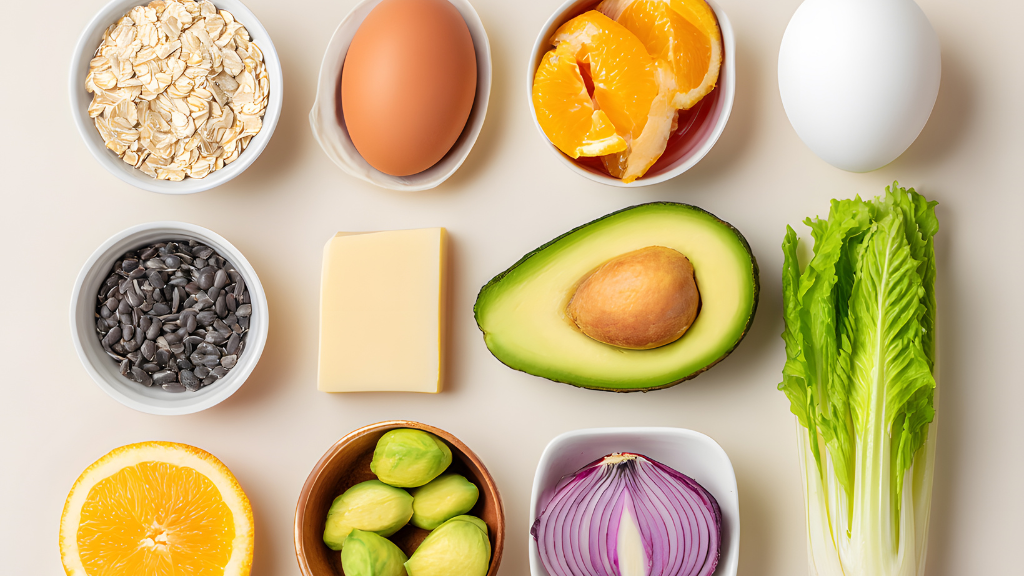
Helpful list-building strategies include:
- Planning meals that share ingredients
- Grouping items by meal rather than category
- Repeating staple ingredients weekly
- Limiting new recipes each week
Meal planning tips like these make grocery lists shorter and easier to follow.
Consistency Creates Confidence
Confidence grows when people repeat successful systems. Structured meal plans allow people to learn what works through consistency. That repetition builds trust in food choices.
When meals feel predictable, stress decreases. People feel more prepared and less reactive. Healthy grocery planning becomes a habit rather than a weekly struggle.
Adapting Plans Without Starting Over
Life rarely follows a perfect schedule. Structured plans remain useful because they adapt without collapsing. A missed meal does not undo the entire plan.
Flexibility exists within structure. Swapping meals or adjusting portions still keeps the system intact. That adaptability helps people stay consistent instead of giving up.
Using Prepared Meals as Part of the System
Prepared meals fit naturally into structured meal plans. Ready-to-eat options reduce cooking demands and decision fatigue. That support helps busy people stay consistent during full weeks.
Elite Macros Meal Prep offers macro-focused meals designed to integrate into structured plans. Locally prepared meals support routines without adding complexity. That option provides relief when planning feels overwhelming.
Reducing Mental Load During the Week
Decision fatigue does not disappear on its own. Structure actively reduces mental load by limiting the need for repeated choices. When meals feel planned, people save energy for work, training, and family.
Structured meal plans allow people to focus on execution rather than decision-making. That clarity supports calmer weeks and steadier routines. Healthy grocery planning becomes part of a supportive system.
Creating Structure Without Rigidity
Structure should support life rather than restrict it. Structured meal plans work best when people choose simplicity over perfection. Familiar meals often outperform complex recipes.
Meal planning tips encourage balance between planning and flexibility. That balance keeps food routines sustainable. Over time, structure feels freeing rather than limiting.
Grocery Planning That Supports Long-Term Habits
Long-term habits grow from systems that feel manageable. Structured meal plans reduce friction and help people stay consistent week after week. Grocery decisions become easier with repetition.
Healthy grocery planning supports progress by removing unnecessary stress. People feel more in control and less reactive around food. That sense of ease supports consistency.
Making Meal Planning Feel Achievable
Meal planning often feels intimidating because people expect too much at once. Starting with a simple structure builds momentum. Small systems grow into reliable routines.
Elite Macros Meal Prep supports people who want structure without overwhelm. Prepared meals and coaching guidance help simplify grocery decisions. That support fits naturally into busy lifestyles.
A Clearer Path Through the Grocery Store
Simplifying grocery decisions starts with structure rather than restriction. Meal planning tips offer direction that reduces fatigue and saves time. Structured meal plans help people shop with purpose and confidence.
Healthy grocery planning supports consistency by removing guesswork. When food decisions feel easier, routines feel stronger. Take the pressure out of grocery planning with structured support and meal solutions from Elite Macros Meal Prep.